
Skip to content Skip to footer

The Exiled

$10,00

A Greek exiled in the interior of Turkey during the time of « Varlik Vergisi »

Duration: 37’, Ratio: 4/3, 16/9, Versions: English, Greek
Directed by: Kalliopi Legaki Written by: Irini Sarioglou
Production: Hellenic History Foundation
International Distribution: ICTV

Additional information

SKU: N/A Categories: , , Product ID: 5122

Description

During World War II, Turkey remained neutral until February 1945. In November 1942, the Turkish government imposed on its citizens a capital tax, known as « Varlik Vergisi ». Officially, the tax was devised to fill the state treasury that would have been needed had Nazi Germany or the Soviet Union invaded the country. It was supposed to be paid by all Turkish citizens, but in fact, the way the tax was
implemented revealed its true meaning: to reduce the influence of non-muslims over the country’s trade, finance, and industries by bringing severe discrimination against Greek and Armenian Christians, Jews, Levantines…

In practical terms, the tax was imposed on landed estates, building owners, real estate brokers, businesses, and industrial enterprises of all citizens, but the non-muslim population was taxed with higher rates that could not be challenged in court. It had to be paid 15 days later. All non-Muslims who could not pay this excessive tax were exiled to the interior of Turkey (Erzurum) where they were forced to work in labor battalions. Muslims who could not pay received lighter sentences. Estimates mention the figure of 5000 exiled citizens, all non-muslims.

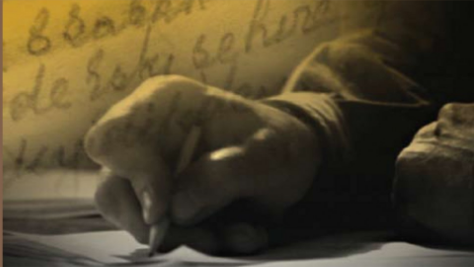
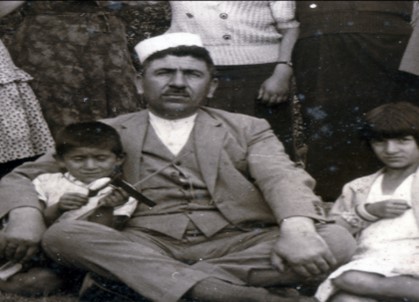
Thanks to relentless international criticism the law could not sustain for a long time. Under pressure from the United Kingdom and the United States, it was repealed 18 months later, on 15 March 1944, although by then, much harm had been done. This documentary looks at the case of one of those exiled persons, the ethnical Greek citizen Konstandinos Kiourktsoglou, and reveals for the very first time, with the help of his Diary, the actual circumstances of this unfortunate chapter in contemporary History.
L’exilé

$10,00

Le journal intime d’un citoyen grec révèle une discrimination raciale pendant la deuxième guerre mondiale

Durée: 37’, Ratio: 4/3, 16/9, Versions: Anglais, Français, Grec
Dirigé par: Kalliopi Legaki Ecrit par: Irini Sarioglou
Production: Hellenic History Foundation
Distribution Internationale: ICTV

Additional information

SKU: N/A Categories: , , Product ID: 5131

Description

Pendant la Seconde Guerre mondiale, la Turquie est restée neutre jusqu’en février 1945. En novembre 1942, le gouvernement turc a imposé à ses citoyens un impôt sur la fortune, connu sous le nom de «Varlik Vergisi». Officiellement, cet impôt été conçue pour remplir les caisses de l’Etat en cas d’invasion du pays par l’Allemagne nazie ou l’Union soviétique. Il était censé être payé par tous les citoyens turcs, mais dans les fait, la façon dont la taxe a été appliquée a révélé sa véritable signification: réduire l’influence des non-musulmans (Chrétiens arméniens, Juifs…) sur le commerce, la finance et les industries du pays.

Concrètement, la taxe était imposée aux propriétés foncières, aux propriétaires d’immeubles, aux courtiers immobiliers, et aux entreprises industrielles de tous les citoyens, mais la population non musulmane était taxée à des taux plus élevés qui ne pouvaient être contestés devant les tribunaux. Il était payable 15 jours après sa fixation. Tous les non-musulmans qui ne pouvaient pas payer cette taxe excessive furent exilés à l’intérieur de la Turquie (Erzurum) où ils furent forcés de travailler dans des bataillons de travail. Les musulmans qui ne pouvaient pas payer ont reçu des peines plus légères. Les estimations mentionnent le chiffre de 5000 citoyens exilés, tous non-musulmans.

Grâce à la critique internationale incessante, la loi n’a pas durée longtemps. Sous la pression du Royaume-Uni et des États-Unis, elle a été abrogé 18 mois plus tard, le 15 mars 1944, mais à ce moment-là, beaucoup de mal avait été fait. Ce documentaire se penche sur le cas d’un de ces exilés, le citoyen grec Konstandinos Kiourktsoglou, et révèle pour la première fois, à l’aide de son journal, les circonstances réelles de ce malheureux chapitre de l’histoire contemporaine.